


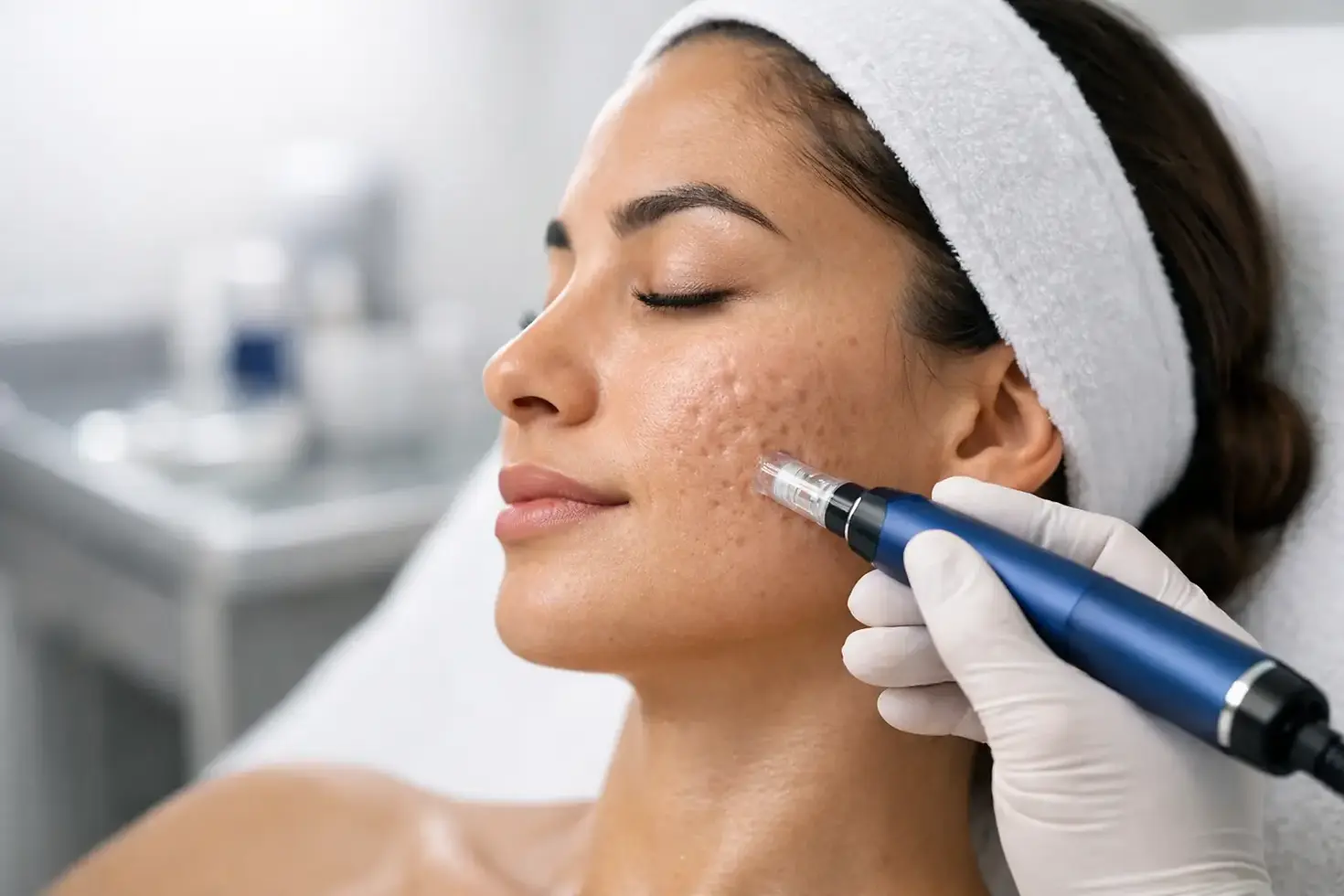
How SkinPen Treats Acne Scars

Acne scars can linger long after breakouts are gone, changing the way skin reflects light and often making makeup sit unevenly. If you have been wondering how SkinPen treats acne scars, the answer starts with your skin’s own repair process - not harsh stripping or excessive downtime, but controlled collagen stimulation that helps skin rebuild itself more smoothly over time.
How SkinPen treats acne scars at the skin level
SkinPen is a medical microneedling device designed to create thousands of precise microchannels in the skin. Those tiny, controlled injuries trigger a natural wound-healing response. As the skin repairs, it increases collagen and elastin production, which is exactly why this treatment is so valuable for acne scarring.
Most acne scars are not surface stains. They are structural changes in the skin, often caused when inflammation from acne damages collagen during the healing process. That is why exfoliating products alone can only do so much. SkinPen works deeper, encouraging the skin to remodel from within so depressed scars gradually look softer and less obvious.
This collagen-building effect is especially helpful for atrophic acne scars, which include rolling scars and some boxcar scars. These are the types of scars that create indentations or uneven texture. As fresh collagen forms, the skin can look firmer, smoother, and more refined.
Why microneedling is different from a basic facial
A facial can leave skin glowing, hydrated, and refreshed, but it does not create the same structural change that microneedling can. SkinPen is a results-driven treatment intended to improve texture, not simply brighten the skin for a few days.
That distinction matters when acne scarring is your concern. Scars need remodeling. They need the skin to generate new support beneath the surface. SkinPen is often chosen because it offers a clinically grounded approach with a more comfortable recovery than many aggressive resurfacing options.
For clients who want visible improvement without feeling like they have stepped into a cold, intimidating medical setting, this treatment fits beautifully into a modern luxury aesthetic experience. It is precise, effective, and focused on renewal.
What kinds of acne scars respond best
Not every scar behaves the same way, so results depend on the type and severity of scarring. SkinPen tends to work best on shallow to moderate depressed acne scars. Rolling scars often respond well because collagen stimulation can help improve the skin’s uneven contour. Some boxcar scars may also soften nicely with a treatment series.
Ice pick scars can be more stubborn. Because they are narrow and deep, they may need a more customized treatment plan or combination approach. If you also have post-acne discoloration, microneedling may help skin look more even overall, but pigment and texture are different concerns and sometimes need different tools.
This is where a thoughtful consultation matters. The right provider will look at your scar pattern, skin tone, sensitivity, and goals before recommending a plan.
What to expect during a SkinPen session
The experience is straightforward, and for many clients, easier than they anticipated. Your skin is first cleansed thoroughly, and a numbing cream is typically applied to help keep you comfortable. Once the skin is prepared, the SkinPen device is passed across the treatment area in a controlled pattern.
You may feel vibration, pressure, or a light prickling sensation, but most people tolerate it well. The treatment itself is relatively quick, especially for smaller areas. Afterward, the skin usually looks pink to red, similar to a moderate sunburn.
That post-treatment flush is normal. It is part of the healing response that helps kick off collagen production. In a luxury setting, the experience should still feel calm and supportive, even though the treatment is clinical in purpose.
How many treatments you may need
One treatment can give the skin a fresher look, but acne scars usually need a series. Collagen remodeling takes time, and acne scarring rarely changes in a dramatic way overnight.
Many clients benefit from three to six sessions spaced several weeks apart, although deeper or more widespread scars may require more. Improvement tends to appear gradually as the skin heals and rebuilds. That slower timeline can actually be a benefit for clients who prefer natural-looking progress rather than an abrupt change.
Patience matters here. SkinPen is not about covering scars. It is about helping your skin function more like healthy skin again.
Healing and downtime after treatment
One reason SkinPen remains so popular is that recovery is manageable for most lifestyles. You can expect redness, warmth, and a tight feeling shortly after treatment. Some clients notice mild swelling or a sandpaper-like texture for a few days as the skin moves through the repair process.
Most of the visible redness settles within 24 to 72 hours, though everyone heals a little differently. You will need to follow aftercare instructions carefully, especially when it comes to sun protection and avoiding active skincare products too soon.
This is not the time for retinoids, exfoliating acids, or anything harsh. Freshly treated skin needs support, hydration, and protection. Good aftercare helps maximize results and reduces the chance of irritation.
SkinPen results: what is realistic?
A polished consultation should always include honesty. SkinPen can significantly improve the look of acne scars, but it does not erase every scar completely. The goal is smoother texture, softer indentations, and skin that looks healthier and more even.
For many clients, that means they feel more confident in natural light, more comfortable wearing less makeup, and less distracted by uneven texture when they look in the mirror. Those are meaningful changes, even if a few scars remain visible up close.
Results also depend on factors such as your age, your skin’s healing response, the depth of scarring, and whether active acne is under control. If you are still breaking out frequently, that should be addressed too. It is difficult to improve old scars while new ones are still forming.
Who should be cautious
SkinPen is suitable for many skin types, but not every person is an ideal candidate at every moment. If you have active cystic acne, certain skin infections, or an impaired healing response, your provider may recommend waiting or choosing a different path first.
People with very sensitive skin, a history of keloid scarring, or certain medical conditions may also need additional evaluation. This is another reason provider expertise matters. A customized treatment plan protects both your results and your skin health.
For some clients, combining services over time may create the best outcome. Microneedling can be one important part of a broader skin renewal plan that also includes clinical skincare, pigment correction, or treatments aimed at maintaining clear skin.
How SkinPen treats acne scars over time
One of the most helpful ways to understand how SkinPen treats acne scars is to think of it as a rebuilding process rather than a quick fix. Early on, you may notice smoother, brighter skin from the fresh healing response. Then, over the following weeks, collagen production continues beneath the surface.
With each session, that remodeling can become more visible. Scar edges may look less sharp. Shallow depressions may appear softer. Overall texture often starts to feel more refined, which changes the way skin looks with or without makeup.
That gradual transformation is part of the appeal. It feels authentic to your skin because it is your skin doing the work.
Choosing the right setting for treatment
When you are investing in acne scar treatment, the experience matters almost as much as the technology. You want clinical expertise, but you also want to feel cared for, informed, and comfortable throughout the process.
At a premier destination like Jaliza Sedona Luxury Spa & Beauty Lounge, that balance is part of the experience. Advanced aesthetic treatments should feel elevated and reassuring, with clear guidance before, during, and after your appointment. Acne scars can be deeply personal, and treatment should never feel rushed or one-size-fits-all.
The best results come from a thoughtful plan, realistic expectations, and a provider who understands both skin health and confidence. If acne scars have kept you from feeling fully at ease in your skin, SkinPen may be the treatment that helps you move forward - gently, strategically, and with visible renewal.


Comments