


Best Treatments for Acne Scarring

If you have ever looked in the mirror and felt like your breakouts were long gone but still somehow taking up space on your skin, you are not imagining it. Finding the best treatments for acne scarring can feel frustrating because scars are not one-size-fits-all, and the treatment that transforms one person’s skin may not be the right fit for another.
That is where a more thoughtful approach matters. Acne scars come in different shapes, depths, and textures, and the best results usually come from matching the treatment to the scar type, your skin tone, your lifestyle, and how quickly you want to see improvement. For many women, especially those balancing work, events, travel, and everyday life, the right plan is not just about correction. It is about choosing a treatment path that feels worth your time and supports renewed confidence.
What makes acne scars so difficult to treat
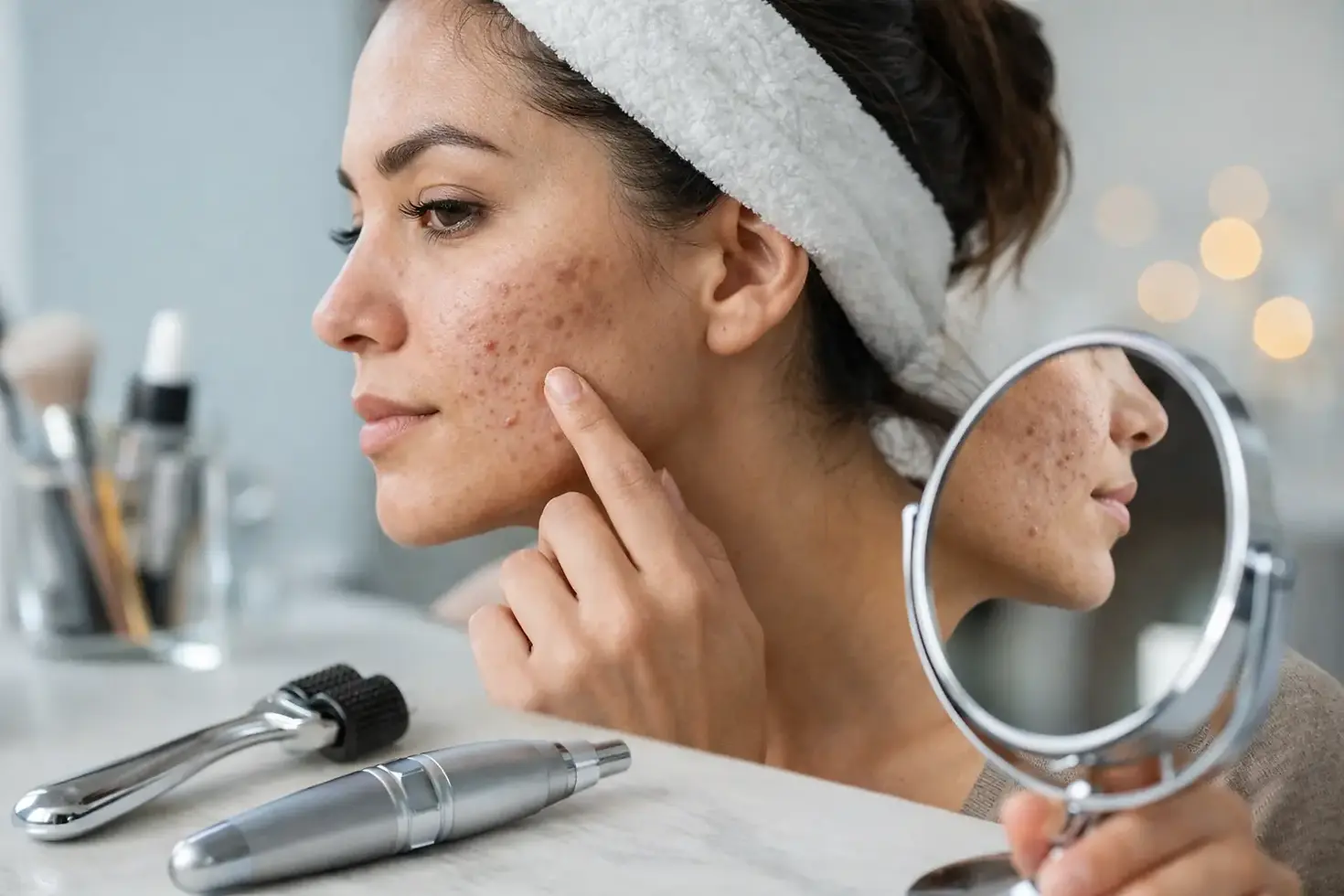
Acne scarring is not simply leftover discoloration. True scars form when inflammation damages collagen in the skin. In some cases, that damage creates indentations such as ice pick, boxcar, or rolling scars. In others, acne leaves behind dark or red marks that fade slowly but are not technically scars.
This distinction matters because texture concerns and pigment concerns respond differently. A chemical peel may help brighten post-acne marks, while deeper textural scarring often needs collagen stimulation or resurfacing. If you treat the wrong issue, results can feel disappointing even when the treatment itself is excellent.
The best treatments for acne scarring depend on scar type
For most clients, the most effective treatment plan is layered rather than singular. One service can improve the skin, but a customized series often delivers the visible change people are really hoping for.
Microneedling for collagen renewal
Microneedling is one of the most trusted options for atrophic acne scars, especially rolling and some boxcar scars. By creating controlled micro-injuries in the skin, treatments like SkinPen encourage the body to produce new collagen and elastin. Over time, that can soften uneven texture and help scars look less pronounced.
What makes microneedling appealing is the balance it offers. It is results-driven, yet generally more approachable than aggressive resurfacing. Downtime is typically manageable, often involving a few days of redness and sensitivity. Results are gradual, which is both a benefit and a trade-off. Your skin improves in a natural-looking way, but it usually takes a series of sessions to see meaningful change.
Microneedling can be especially attractive for clients who want skin improvement without putting their lives on hold. It also works well as part of a broader skin renewal plan.
Chemical peels for tone, clarity, and surface refinement
Chemical peels are often underestimated in conversations about acne scars. While they may not erase deeper pitted scars on their own, they can make a real difference in post-inflammatory hyperpigmentation, lingering discoloration, and overall skin smoothness.
A well-chosen peel helps accelerate cell turnover, refine the skin’s surface, and support a brighter, more even complexion. For clients with mild textural concerns and visible dark marks left after breakouts, this can create a fresher, clearer look with less downtime than more intensive treatments.
The nuance is in the formulation and strength. A peel that is too mild may not deliver enough improvement, while one that is too aggressive can irritate sensitive or acne-prone skin. This is why professional guidance matters, especially for deeper skin tones that require a careful approach to avoid unwanted pigment changes.
Laser treatments for resurfacing and scar revision
Laser treatments can be among the best treatments for acne scarring when the goal is more noticeable texture correction. Resurfacing technologies work by stimulating collagen and improving skin quality at a deeper level than many topical or superficial treatments can reach.
That said, not every laser is ideal for every scar or every skin tone. Some are better for redness, some for pigmentation, and others for textural remodeling. The right recommendation depends on your skin history, the type of acne scarring you have, and how much downtime feels realistic for you.
For clients who want stronger correction and are comfortable with a more involved treatment process, laser-based options can be a powerful part of a scar revision plan. They tend to be most successful when expectations are realistic. Improvement can be dramatic, but perfection is rarely the goal. Smoother, more even, healthier-looking skin is a more honest benchmark.
RF microneedling and combination approaches
For deeper or more stubborn scarring, combination treatments can offer an elevated result. RF microneedling, for example, pairs traditional microneedling with radiofrequency energy to stimulate collagen at deeper levels. This may be recommended when standard microneedling alone is unlikely to go far enough.
Combination plans may also include peels, laser sessions, targeted skincare, and periodic maintenance treatments. This tends to be the most refined approach because acne scarring is rarely just one issue. Texture, pore appearance, tone, and residual congestion can all overlap.
What about acne marks versus true scars?
This is one of the most common points of confusion. Red or brown marks that linger after acne are often easier to treat than indented scars. If your skin looks uneven in color but feels mostly smooth to the touch, you may be dealing more with post-acne discoloration than true scarring.
That can be encouraging because these concerns often respond well to chemical peels, brightening skincare, sun protection, and certain light-based treatments. If your skin has visible depressions or roughness, collagen-stimulating treatments are usually more appropriate.
A professional consultation can help separate the two. Many clients assume they have severe scarring when they are really seeing a mix of pigmentation and mild textural change. Others minimize deeper scars and spend too long on products that cannot reach the problem.
How to choose the right treatment plan
The best treatment is not always the most aggressive one. It is the one that fits your skin and your life.
If you want a gradual, polished improvement with moderate downtime, microneedling is often an excellent place to start. If discoloration is your biggest concern, a customized peel series may be more rewarding. If you have deeper pitted scars and want stronger correction, laser or advanced combination treatments may be worth considering.
Skin tone also matters. Some treatments require added caution for melanin-rich skin to reduce the risk of post-inflammatory pigmentation. Active acne matters too. If you are still breaking out regularly, controlling acne should come first or happen alongside scar treatment. Otherwise, new scars can continue to form while you are trying to correct old ones.
Season, sun exposure, and social schedule can also influence timing. For many women, treatment planning is about more than skin science. It is about weddings, photos, travel, work events, and when they feel comfortable having a little downtime.
Why professional skincare still matters
In-office treatments do the heavy lifting, but home care shapes the outcome. Medical-grade skincare can support collagen production, improve cell turnover, keep pores clearer, and help maintain the results of professional services.
This is not about chasing a ten-step routine. In fact, many acne-prone clients do better with a streamlined regimen. A thoughtful combination of cleanser, active ingredients, moisturizer, and daily SPF is often enough to support visible progress.
Sun protection deserves special attention. UV exposure can worsen post-acne marks and interfere with healing, which means even the best treatment plan can underperform if sunscreen is inconsistent.
When to expect results
This is where honesty matters. Acne scar treatment takes time. Most clients need a series of sessions, and collagen remodeling does not happen overnight. You may notice early improvement in radiance or smoothness, but more significant changes in texture often unfold over several weeks and months.
That slower timeline can actually be a good thing. Gradual improvement tends to look elegant and natural. Your skin appears healthier, softer, and more refined rather than suddenly overtreated.
If you are looking for a quick fix before a major event, focus on treatments that enhance clarity and glow. If your goal is true scar revision, plan for consistency instead of speed.
A more refined way to think about acne scar treatment
The best outcomes come from treating acne scars as a long-term skin quality concern, not a single appointment problem. At a luxury medspa setting such as Jaliza Sedona Luxury Spa & Beauty Lounge, that often means creating a personalized plan that blends clinical expertise with a comfortable, supportive experience. The process should feel elevated, not intimidating.
There is no universal best treatment for every scar, every complexion, or every schedule. There is only the right treatment strategy for your skin at this moment, with room to build over time.
If acne scarring has made you feel like your skin never fully moved on, the right care can change that. Not by promising perfection, but by helping your skin look smoother, clearer, and more confidently your own.


Comments